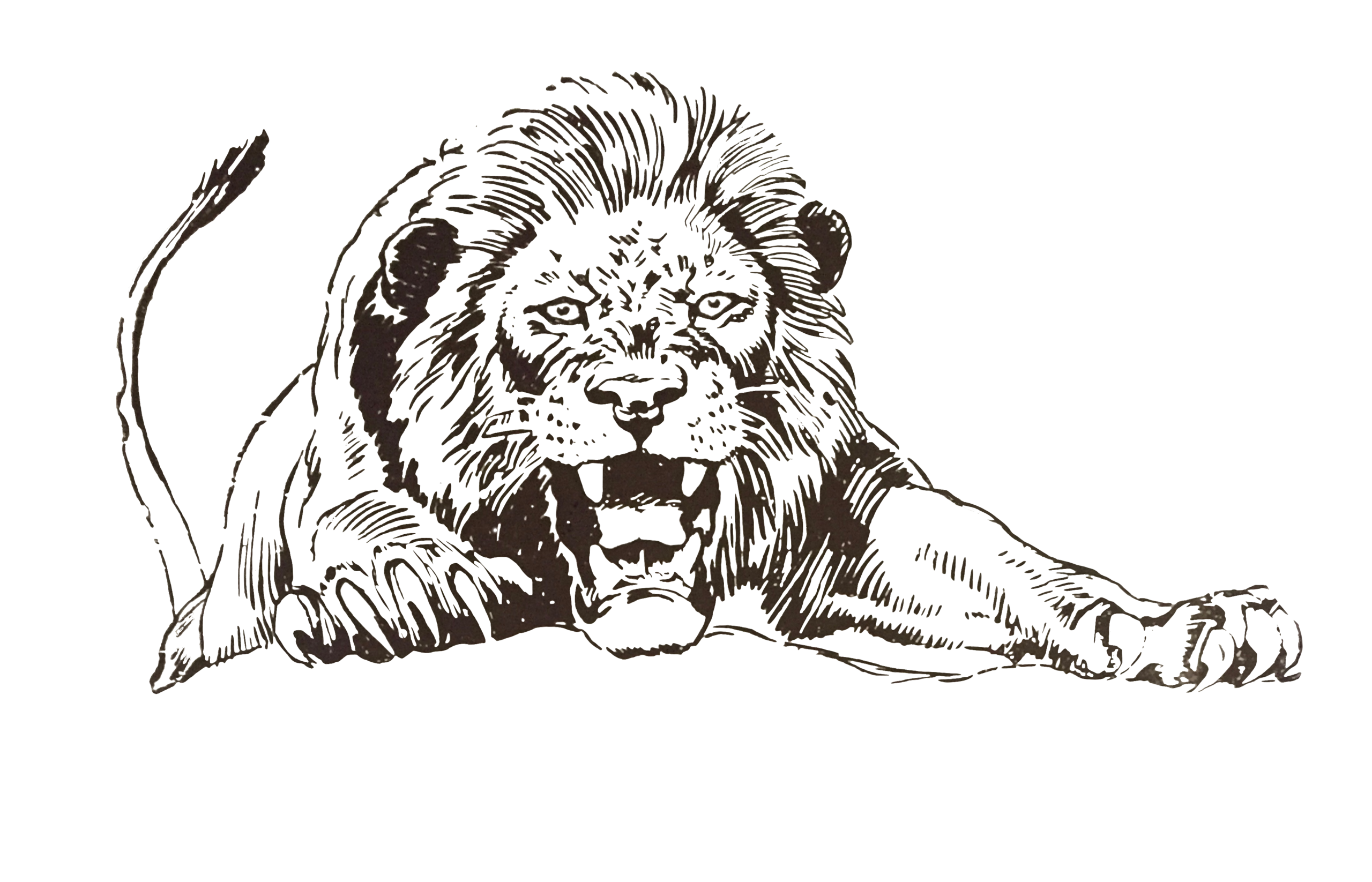
Hunting Safari travel to Tanzania
Discover Tanzania in style with a hunting safari experience that blends world-class hunting destinations, exclusive lodges and camps, and a personalised service. From the vast plains of Masai land to the remote wilderness of the borders of Ruaha National Park and the world famous Selous Game Reserve, Tanzania offers discerning hunters an unforgettable journey defined by comfort, privacy, and adventure.
Passport and Visa Requirements
All travelers to Tanzania must hold a valid passport with at least six months’ validity beyond the date of entry and at least one blank page. Most visitors, including U.S. citizens, require a tourist visa. For a seamless arrival experience, it is recommended to obtain a visa in advance via Tanzania’s official eVisa portal rather than on arrival. Always verify current requirements prior to departure.
Vaccinations and Health Requirements
When on a hunting safari in Tanzania, proactive health planning is essential. Recommended vaccinations include:
- Yellow fever (mandatory if arriving from a risk country)
- Hepatitis A and B
- Typhoid
- Tetanus and routine immunisations
Malaria is present throughout much of Tanzania, including premier hunting safari regions. Our camps and lodges provide mosquito protection, but travellers should still take prescribed antimalarial medication and use insect repellent. Shaw and Hunter can also offer on-call medical support and evacuation services at an additional cost to the client.
Medical and Travel Insurance
Comprehensive travel insurance is a non-negotiable requirement for hunting safaris. Shaw and Hunter recommend getting a policy that covers you for dangerous game hunting and remote medical evacuation to the closest “world class” medical facility, this is usually Nairobi in Kenya then onwards to your home country. You insurance policy should include:
- Emergency medical treatment
- Air evacuation (medevac)
- Trip cancellation and interruption
- Coverage for dangerous game hunting
Given the remote nature of our hunting safari camps, evacuation coverage ensures rapid transfer to advanced medical facilities if needed.
Don’t risk getting caught out!
Air Travel from the United States
Traveling from the United States to Tanzania typically involves premium international carriers with connections through global hubs such as Dubai, Doha, Amsterdam, or Istanbul. Our suggested safari itineraries should include for your comfort on arrival:
- Business or First Class international flights
- VIP airport meet-and-greet services
- Private or scheduled bush flights to remote airstrips near our hunting safari camps
Primary arrival airports include Kilimanjaro International Airport (gateway to northern safaris), Julius Nyerere International Airport (Dar es Salaam), and Zanzibar.
Currency and Payments
The Tanzanian Shilling (TZS) is the official currency, though U.S. dollars are widely accepted in our lodges and safari camps. For convenience:
- Bring newer U.S. dollar bills (post-2010)
- Credit cards are accepted at most high-end properties for pre and post hunt hotels and lodges
- Cash is useful for gratuity payments in camp and small purchases
Languages Spoken
Swahili is the national language of Tanzania, while English is spoken in our camps by selected individuals. All our hunting safari guides are highly trained and fluent in English, some with additional European language capabilities.